Doors at Seven, Done by Ten: How Curfews and Last Trains Are Rewriting the UK Gig
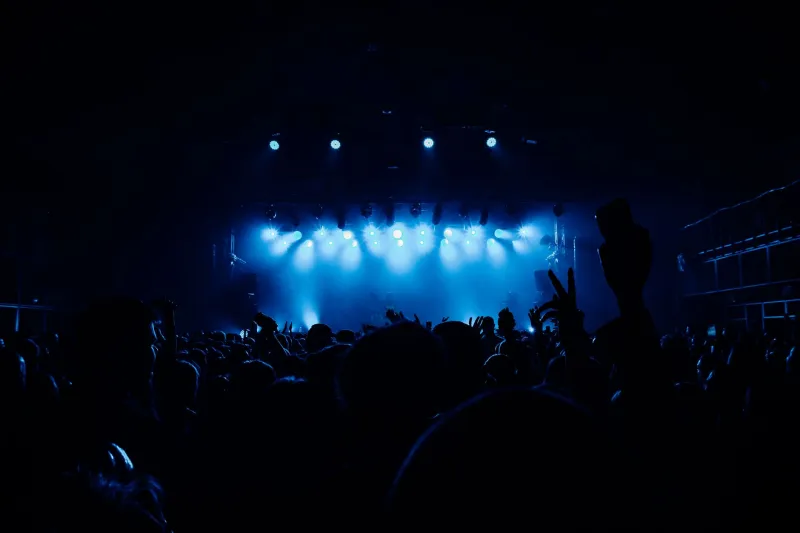
The lights go up at 10:40pm and half the room is already reaching for a coat. Not because the band were bad — they were excellent — but because the last service out of the city leaves in twenty-four minutes, and the walk to the platform is twelve of them. The set list said eleven songs. The timetable said ten.
This is the new maths of the UK underground gig. Curfews have always existed, but in 2026 they are being tightened by a combination of local licensing conditions, noise complaints, rising staffing costs and a rail network that treats late-night travel as an optional extra. The result is that the last train is no longer a post-gig inconvenience. It is the invisible promoter, the silent A&R, the reason your favourite band played for forty-five minutes and skipped the slow one.
The timetable is the invisible promoter
Ask any promoter in Leeds, Manchester, Bristol or Glasgow what shapes a show and they will mention the licence first and the train second. In practice, the two are tangled together. A venue might be licensed until 1am on a Friday, but if the last direct service to Sheffield is at 11:20pm, the practical curfew for anyone relying on public transport is closer to 10:45. Add a ten-minute walk, a barrier check and the small matter of actually packing down a drum kit, and you land on a headliner finishing at 10:15 — often earlier.
"We used to build the night around the band," says one Leeds promoter who runs shows in two mid-sized rooms. "Now we build it around the 23:04 to Sheffield and the 23:18 to Bradford. If the headliner goes over, people leave. Then the band think the room is cold. It isn't cold. It's just got a train to catch."
That pressure is uneven. Friday and Saturday nights still allow some slack in the big cities, where late services and night buses exist in something like usable numbers. Sunday to Thursday, the cliff edge arrives earlier. In towns with a single hourly service, it arrives before the encore. Artists have learned to read a room not by its reaction but by its body language — the first glance at a phone, the first zip of a jacket, the first person edging towards the door during the quiet song.
Licensing, residents and the 11pm cliff
The rail timetable is only half the story. Premises licences, noise abatement notices and cumulative impact policies decide whether a venue can even open its doors late enough to make a last train relevant. Many small rooms operate under strict conditions: live music off at 11pm, doors closed by midnight, no amplified sound after a certain hour. In residential areas, the margin is thinner still.
A Bristol venue manager puts it plainly: "We have a good relationship with our neighbours, and we want to keep it. That means the last song is at 10:30 on a school night. It's not a conspiracy against music. It's a terraced street with people who have jobs."
The trade-off is real. A later curfew can mean a bigger bar take, a fuller headline set and a better chance of selling merch after the show. An earlier curfew can mean a quieter night, fewer complaints and a venue that survives to host the next generation. The problem is that neither option is designed around the artist, and the artist rarely gets a say in either.
Encores are the clearest casualty. The ritual of walking off, waiting, walking back on and playing one more has always been a bit of theatre, but now it is a scheduling risk. Bands who once saved their biggest song for the encore are playing it at the end of the main set and walking off for real. "We call it the honest finish," says a guitarist with a Sheffield post-punk band. "No fake walk-off. No pretending. We play the hit, we say thank you, we let people get their train."
What it does to the set
Compressed stage times change more than the length of a show. They change the shape of it. A forty-five-minute set has no room for the slow-burn opener, the extended intro or the new song that needs a minute to settle. It rewards urgency: hit, hit, new single, hit, done. Deep cuts get cut. Between-song chat gets shorter. Support acts get twenty-five minutes and a polite reminder that the clock is running.
For emerging artists, that is a mixed blessing. A tight set can be a great discipline. But it also makes it harder to experiment in public, which is where a lot of bands actually find their sound. "You learn to compress everything," the Sheffield guitarist says. "The quiet bit, the loud bit, the bit where the crowd sings back. You become a headline act in miniature. Sometimes that's good. Sometimes you just want to play the long version and watch the room lean in."
Touring routes are shifting too. Bands are choosing towns based on transport links rather than audience size. A city with a late train and a cheap travelodge beats a town with a devoted crowd and no way home. Promoters in places like Stoke, Preston, Hull and Newport report being skipped not because nobody wants to play there but because the economics of getting a band out again are brutal. The result is a touring map that looks increasingly like the rail map — and the rail map has never been kind to the places that need music most.
The towns left off the map
Some promoters are fighting back with earlier formats. Tea-time gigs, six o'clock doors, matinee all-dayers and "twilight" shows that finish before the last sensible train. They are not a compromise so much as a different kind of night out: shorter, cheaper, more local, and often friendlier to younger audiences and people who do not want to be stranded.
"We did a Sunday matinee and the room was full by 4pm," says a promoter in Preston. "Parents with kids, people who work early, students who don't fancy a £40 taxi. The band played a forty-minute set and sold more merch than they did at a late show the week before. It's not the same as a Saturday night headline, but it's a real show with a real audience."
The trade-off is that matinees do not suit every genre. A loud, dark, sweaty rock show at 5pm can feel strange. But the underground has always been good at making a virtue of constraint. If the last train is going to dictate the terms, the least we can do is design a night that works with it rather than pretending it isn't there.
Artist-first when transport has the final say
So what does artist-first touring actually look like in 2026? It starts with honesty about stage times. Publish them. Stick to them. Pay the support act properly. If the headliner has to finish at 10:15, say so in advance instead of letting the room thin out in confusion. It means promoters and venues sharing the cost of getting artists home — a taxi fund, a minibus, a deal with a local coach company — rather than treating transport as the band's problem. It means routing tours around the last train, not against it, and being honest with audiences about why.
It also means pushing for change where it matters. Licensing reform and late-night transport are not glamorous subjects, but they decide whether a generation of UK bands gets to play the shows that build them. The Music Venue Trust and the Night Time Industries Association have been making this case for years; the difference now is that the timetable is making it for them.
Freya Records is not immune. We book shows that finish before the last train, we publish stage times, and we put money towards getting artists home when the maths doesn't work. It is a small thing. But small things are what artist-first means when the network has the final say.
Until the last train stops being the real headliner, the best we can do is play the hand we're dealt — and make sure the audience knows when to leave, and the band knows when to stop. The encore can wait. The train won't.