Cut, Fold, Staple: The Quiet Return of the Zine Rack in UK Underground Music
Photo: _Libby_, CC BY 2.0, via Wikimedia Commons
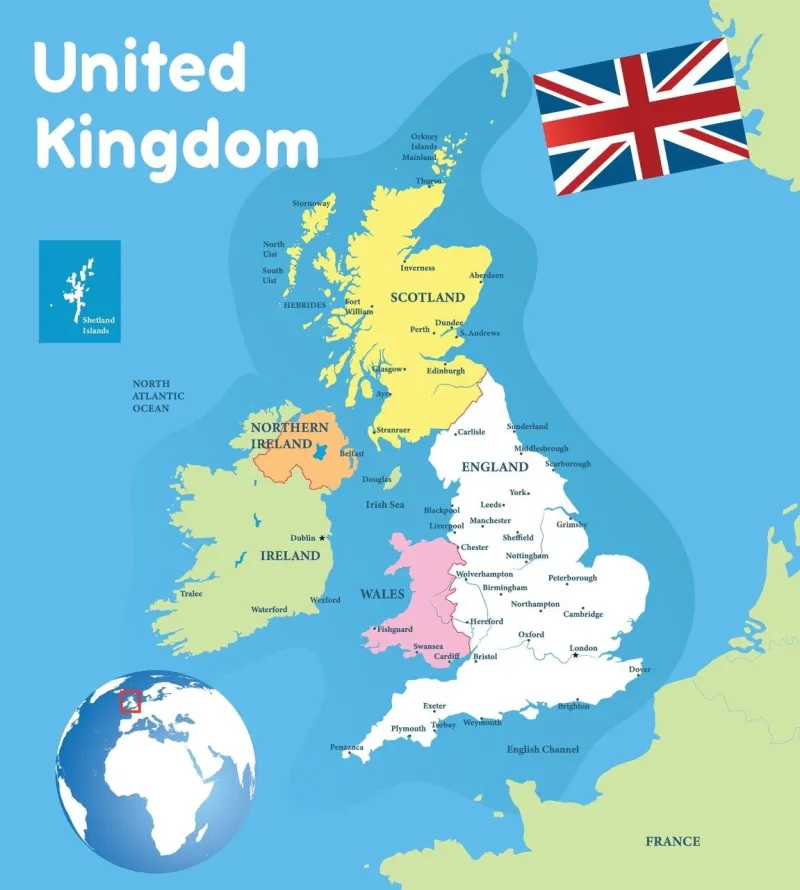
Walk into a mid-size gig in Leeds, Bristol or Glasgow this autumn and the merch table tells you what is going on. Next to the vinyl — the expensive object you have to think about — there is a shallow tub of paper. A stapled zine with a photocopied cover. A lyric booklet folded out of one A3 sheet. A hand-numbered card tucked in with the record. Nine times out of ten, the paper is what people pick up first.
That is not nostalgia. Across the UK underground, small labels have quietly rebuilt the zine rack into a working part of the release campaign. Not a vanity project. Not something you make so the table shot looks good on a phone. Paper is doing a job again, and it is doing a job that streaming, however many playlists a track lands on, still cannot do.
Why paper, why now
Three things have pushed in the same direction at once. The first is economic. At a fraction of a penny per stream, a 300-press vinyl run is the money-maker and everything else has to pay for itself. Paper is cheap per unit and it sells at a price that does not require a conversation. A fiver for a zine is an easy yes in a way that a £24 LP is not, and that fiver goes into the artist's pocket rather than splitting three ways through a distributor.
The second is algorithmic fatigue. A generation of artists who were told to post more, film more, cut the song into nine-second chunks has watched the returns fall off a cliff. A zine cannot be scrolled past. It cannot be skipped. It does not get throttled. If someone has it in their bag, they have made a decision about you that no engagement metric captures.
The third is that people have simply got better at making them. Cheap risograph access, decent home printers, short-run printing through the post — the gap between a good idea and fifty stapled copies on your kitchen table has never been smaller. That has changed who gets to do this. It is no longer a label privilege.
Three labels making it work
Saltmarsh Tapes, Norwich
Saltmarsh have one of the cleanest approaches going: the zine is the liner notes. Every tape release ships with an A5 booklet — lyrics, a page of the artist's own notes on where each song came from, one photograph, and nothing else. No ads, no manifesto reprint, no tracklist padding.
The trick is timing. The booklet is made while the mixes are still being signed off, so the two objects feel like one thing rather than a record with a leaflet thrown in. Cost per unit comes in below the cost of the tape shell itself, and the booklets outsell the tapes at gigs, which tells you something about what people are actually buying.
Hackle & Pin, Leeds
Hackle & Pin go the other way, and it is just as smart: their zines are gig-only. You cannot buy them online, they do not come with the record, and there is no digital version. Two hundred copies go out across a short run of shows and whatever is left gets recycled.
It sounds like bad business. It is the opposite. The scarcity gives people a reason to turn up, the artists get a physical souvenir of a specific night, and the label gets to test writing and design in public without building a whole release around it. The Hackle & Pin table has become a quiet reason that people arrive early.
Low Ceiling Press, Glasgow
Low Ceiling tackle the harder problem: pricing. Their zines are £3, printed on the cheapest stock that still takes ink properly, folded rather than stapled where they can get away with it, and sold alongside a download card for the accompanying EP.
The £3 is deliberate. It sits below the point where a buyer has to justify it to themselves, and it is high enough that a run of 150 pays for itself across a couple of shows. The label reckons the zines outsell the cassettes roughly three to one — and, the detail that matters, the download redemption rate on those booklets is far higher than on a plain code card. People who buy paper seem to actually listen.
The practical bit
If you are thinking about this for a release, the same advice keeps surfacing from the people doing it well.
Keep it A5 with one staple. Anything more complicated doubles the cost and the faff. Four to twelve pages is plenty. Sixteen if you have got real content.
Print before the release, not after. A second run always costs more and always feels like a chore. Order once, order slightly generously, sell the last few on the next tour.
Design it in the same week as the artwork. When the zine is an afterthought it looks like one. Same photos, same typeface, same mood, and people read it as part of the record.
Do not put the download code on page one. Back page, or loose inside. A code on the front makes the whole thing feel like packaging for a file.
Price it to move. Three to six pounds is the sweet spot in 2026. North of a tenner you are selling an art book, and the audience shrinks to match.
The trap of the too-nice object
The one consistent regret among labels who have gone big on paper is over-engineering. Foil-stamped covers, Japanese binding, hand-sewn spines — all lovely, all expensive, and all invisible to someone deciding between a fiver zine and a second pint.
The rule of thumb that keeps coming up: the zine should cost less to make than the cheapest physical format you are selling. Otherwise you have made a limited edition rather than a piece of merch. Limited editions are for the top five per cent of your audience. Zines are for everyone else, and everyone else is where the mailing list, the next pre-order and the long relationship actually live.
What paper is really for
None of this replaces the record or the stream. That is the point. Paper sits at the front of the funnel, where someone who has never heard of you can spend four quid and walk away with something that has your name on it in your own handwriting.
It is slow, it is analogue, and it cannot be optimised. Which, in 2026, is precisely why it works.