Encore, Who? Why the Short Headline Set Is Winning the Room
The room tells you first
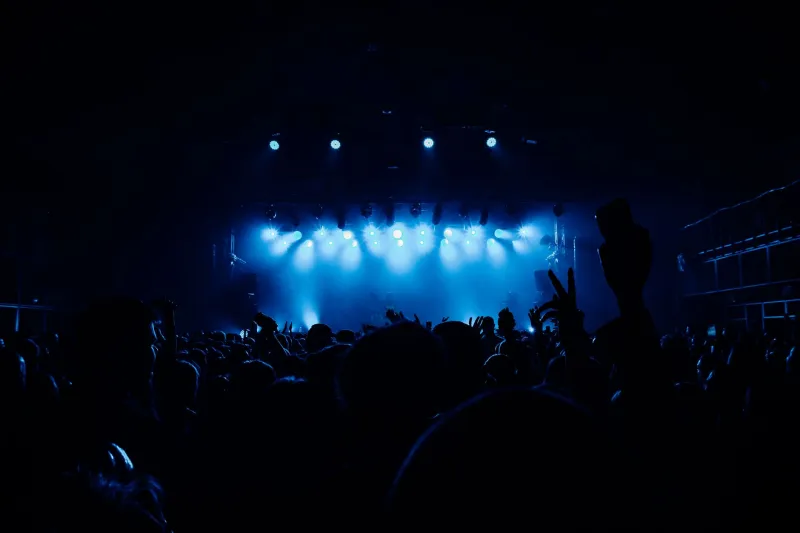
There is a moment, about twenty-five minutes into a headline set, when a UK underground crowd either leans in or starts checking its collective phone. You can feel it before you see it. The bar gets busier. The conversations at the back get louder. The front row is still there, but the spell has thinned. More and more bands in 2026 are treating that moment not as a failure to power through, but as a signal to wrap it up while everyone still wants more.
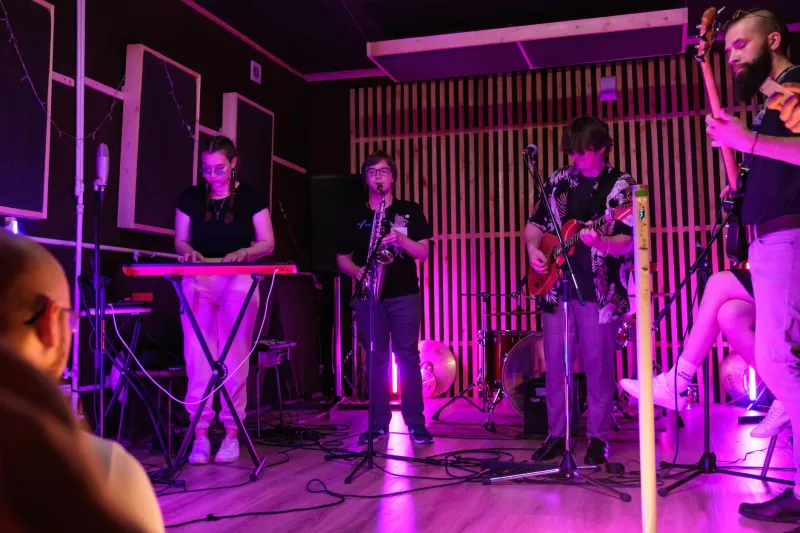
The short headline set is not a new idea. Punk and hardcore have been doing it for decades. What feels different now is how widely it has spread across genres and levels of the circuit: the post-punk four-piece in Leeds, the shoegaze trio in Bristol, the electronic-adjacent outfit in Glasgow with a drum machine and a grudge against load-out times. Thirty-five minutes is no longer unusual for a headline slot. Sometimes it is thirty. Occasionally it is twenty-five, and nobody feels short-changed.
That runs against the old logic. A headline set used to be the proof of stamina: play for an hour, come back for the encore, play for another ten, thank the venue, thank the crowd, thank the sound engineer by name. But the economics and etiquette of UK shows have changed. So has the audience. The short set is starting to look less like a concession and more like a discipline.
The last train is the silent promoter
Ask any promoter in a city with a patchy late-night service and they will tell you the same thing: the headline set is competing with the timetable. In Manchester, the last tram is not a metaphor. In Leeds, the walk to the station is part of the set list. In London, the difference between a 10:45 finish and an 11:15 finish can decide whether half the room stays to the end.
One Bristol promoter puts it bluntly: 'I would rather have a full room for a tight forty minutes than a half-empty room for a heroic seventy.' That is not anti-artist. It is practical. Smaller venues are running tighter turnarounds, often with one sound engineer covering the whole bill. Curfews are enforced with less wiggle room. The headline set is not just a performance; it is a piece of logistics with a bassline.
Bands feel it too. A shorter set means less time to lose the room, less pressure to pad out a thin patch of material, and a cleaner exit before the load-out turns into a negotiation with a venue manager who wants to lock up. It also means the support acts get a fairer shake. When the headliner plays for ninety minutes, the whole night bends around them. When they play for thirty-five, the bill can breathe.
Stamina is a creative tool
There is a lazy assumption that short sets are easier. They are not. They are less forgiving. A band with fifty minutes can hide a duff song, a tuning break, a bit of between-song waffle. A band with thirty-five minutes cannot. Every transition has to earn its place. The set list becomes an edit, not a list.
Sound engineers tend to like this. A shorter set means fewer variables, a tighter changeover, and more time to get the room right before doors. 'You can hear a band decide what they are,' one engineer says. 'The good ones cut the song that exists only because it was easy to rehearse. The short set exposes that decision.'
For artists, the discipline is creative as well as practical. Shorter sets force a hard question: what actually belongs in the room tonight? Not what is newest, not what is oldest, not what the algorithm likes. What works live, in this venue, for this crowd, at this point in the tour. That is a different kind of confidence. It says the band trusts the material enough to leave some of it at home.
The encore is not a birthright
The encore is the most ritualised part of the night, and the most frequently awkward. The crowd claps. The band walks off. The crowd claps harder. The band walks back on. Everyone performs surprise. In a room of 150 people, this can feel less like a climax and more like a group project nobody wants to lead.
Dropping the encore is not a rejection of the audience. It is a refusal to pretend. If the set was complete, let it be complete. If there is one more song that genuinely belongs, play it without the theatre. Some of the best headline sets in 2026 are ending on a sharp chord, a thank-you, and a house light. The crowd gets to leave buzzing rather than waiting for a bus while the band milks a second round of applause.
That does ask something of the audience. We are used to being rewarded for volume. Clap loud enough and you get a bonus track. But a short set asks for a different kind of attention: be present for what is happening, not for what might happen after. In return, you get a set with no dead air and no obligation.
What a short set asks of a band
A tight headline set needs a certain kind of nerve. It needs a band that knows which songs are strongest, which ones translate live, and which ones can wait. It needs a singer who can talk less and mean more. It needs a rhythm section that can lock in quickly and a guitarist who does not need a five-minute pedal recalibration between every track.
It also needs a label or a manager who does not measure every show by minutes played. For an artist-first label like Freya Records, that matters. Release shows are not endurance tests. They are introductions. A short, sharp set can do more for a new record than a sprawling one that leaves the room tired. The goal is not to prove how much a band can play. It is to make sure people remember what they heard.
The bill gets better too
There is a knock-on effect. When headline sets shrink, support slots stop feeling like a formality. A three-band bill with 30-minute sets each can feel like a proper night out rather than a waiting game. The audience arrives earlier. The room is warmer for the opener. The headliner does not have to carry the whole evening on their own.
That is good for the underground. It spreads attention. It makes room for more names on the poster. It lets a promoter take a chance on a local opener without worrying that the night will run past midnight. In a scene that runs on goodwill and borrowed gear, that kind of pacing is not small thing.
Leave the room with something
The short headline set is not a rule. Some bands need an hour. Some records need room to unfold. Some nights want a long, slow burn. But the reflex is shifting, and it is worth paying attention to. In 2026, the best UK underground shows are often the ones that end before you are ready, not after you are bored.
That is the trade. You give up the encore pantomime. You give up the padding. You give up the idea that length equals commitment. In return, you get a set that moves, a crowd that stays, and a night that leaves a mark. Thirty-five minutes can be plenty. If it is the right thirty-five.