The House Ears: How UK Underground Engineers Shape a Band's Reputation One Gig at a Time
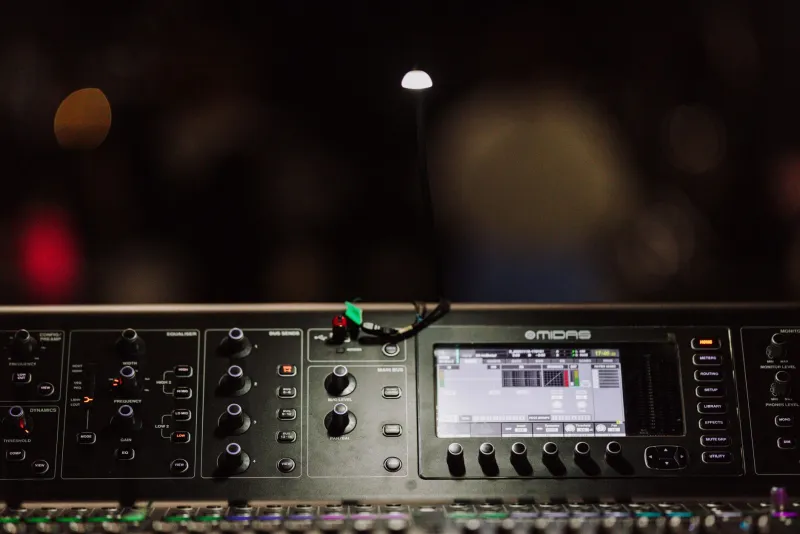
There is a moment, about twenty minutes before doors, when a UK underground gig either settles or starts to wobble. The band are on stage, half in shadow, asking for more vocal in the wedge. The promoter is at the door with a card reader that refuses to behave. And at the back, behind a desk that has seen better decades, someone is quietly saving the entire night. They are not the headline. They are not the support. But they might be the most important person in the room.
In-house engineers are the steady constant in a touring circuit that otherwise runs on favours, borrowed vans and WhatsApp group chats. They know which channel on the desk crackles when the room gets warm. They know the low ceiling above the drum riser will eat the cymbals if you push them too hard. They know the difference between a band having a bad night and a room having a bad system. And they do all of it, more often than not, for a flat fee and a pint.
The person who knows the room
Every venue has a personality, and most of that personality is acoustic. A former pub back room in Bristol does not behave like a converted warehouse in Leeds. A basement in Manchester with a low beam and a hard floor will flatter a three-piece and punish a six-piece with a horn section. The in-house engineer is the translator between the band's best intentions and the room's actual behaviour.
That translation matters because audiences do not separate the band from the sound. If the vocals are buried, the band are 'muddy'. If the kick drum is a soft thud, the band 'lack energy'. If the monitors are wrong, the singer looks uncertain, and the room reads uncertainty as a lack of conviction. A good engineer can make a scrappy set feel like a statement. A bad mix can make a tight band sound like they have never met.
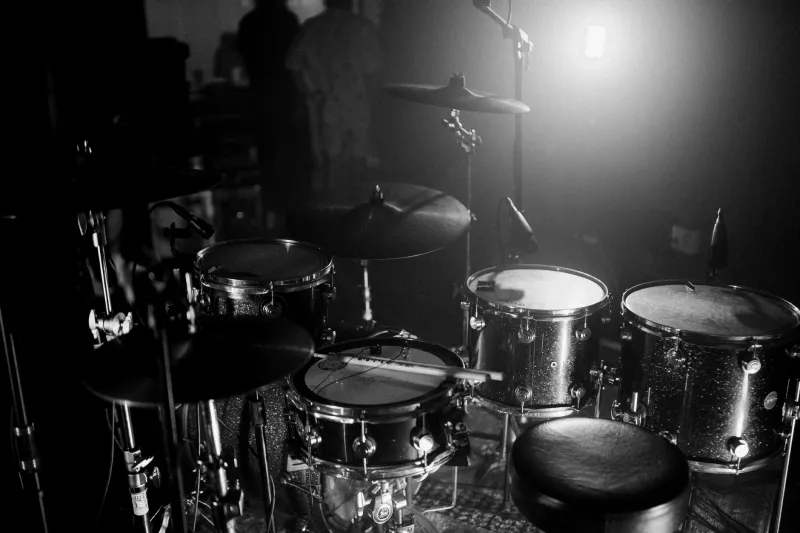
This is not about gloss. The UK underground does not need a stadium sheen. It needs someone who understands that the snare should cut through without slicing the room in half, that the bass should be felt as much as heard, and that the vocals should sit in the mix rather than fight it. The best in-house engineers are not trying to stamp their own sound on every act. They are trying to reveal the band's sound in a room that was never designed for it.
What the flat fee actually buys
Ask around and you will hear the same numbers. Forty quid here. Sixty there. Sometimes a hundred for a busier night with a full backline and a changeover that runs long. It is rarely enough to cover the actual work, which often starts hours before doors and finishes long after the last punter has been gently encouraged towards the last train.
That fee buys more than faders. It buys load-in advice when the band arrive with a cabinet that will not fit through the side door. It buys a spare DI box when one has gone missing. It buys the patience to sort out a monitor mix for a singer who cannot hear themselves and is starting to panic. It buys the experience to know that the feedback is coming from the vocal mic hitting the wall behind the stage, not from the desk.
Many of these engineers are freelancers who also work in studios, tour with small acts, or run their own projects. The in-house night is part of a patchwork. They do it because they love the rooms, the people and the music, but also because it pays something. The best venues understand this and treat them as part of the team rather than a human accessory to the PA. The worst ones treat the desk as a plug-and-play station and wonder why bands stop coming back.
How to be a band they remember kindly
The relationship starts before you arrive. Send a stage plot. Send an input list. Be honest about what you need and what you can live without. If you have a backing track, say so early. If your singer needs a specific monitor mix, explain it in plain English rather than pointing at the desk and saying 'more of everything'. The engineer is not a mind reader, and a ten-minute advance email can save twenty minutes of soundcheck.
On the night, learn their name. Arrive close to the load-in time. Do not touch the desk unless invited. Do not unplug things to charge a phone. Do not ask for a line check five minutes before doors because the guitarist has just changed strings. And when the set is done, say thank you. A genuine thank you goes further than a free pint, though the pint is not unwelcome.
It also helps to remember that the engineer is working for the room as much as for you. They have a curfew, a promoter, a neighbour complaint and a sound limit to manage. If they ask you to turn down, it is not an insult. If they ask you to change your setup, it is not a comment on your art. They are trying to get you to the end of the night sounding like yourselves.
Why the best rooms keep the same names
The venues that consistently sound good tend to have the same person behind the desk. That is not a coincidence. Continuity builds trust. The engineer learns the room's limits and the promoter's expectations. Bands learn that they will be looked after. The result is a room with a reputation, not just a stage.
That reputation travels. A good engineer tells other engineers about a band who were easy to work with. A promoter hears that a night ran smoothly. A label notices that their artist's live show is getting talked about. None of it shows up in the streaming numbers, but it shapes the story around a band. In a scene that runs on word of mouth, that story matters.
So next time you are at a UK underground show and the mix sounds right, look towards the back. The person hunched over the desk, flat fee and pint nearby, is not the sixth member. They are the house ears. And they are holding the whole thing up.