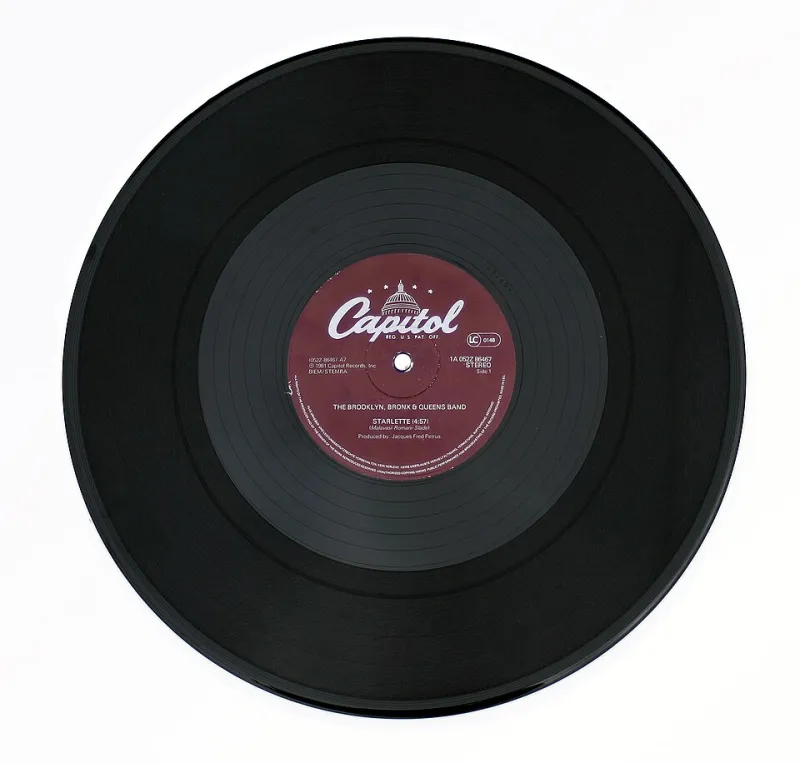
Needle Down, Fingers Crossed: Inside the UK Test Pressing Session
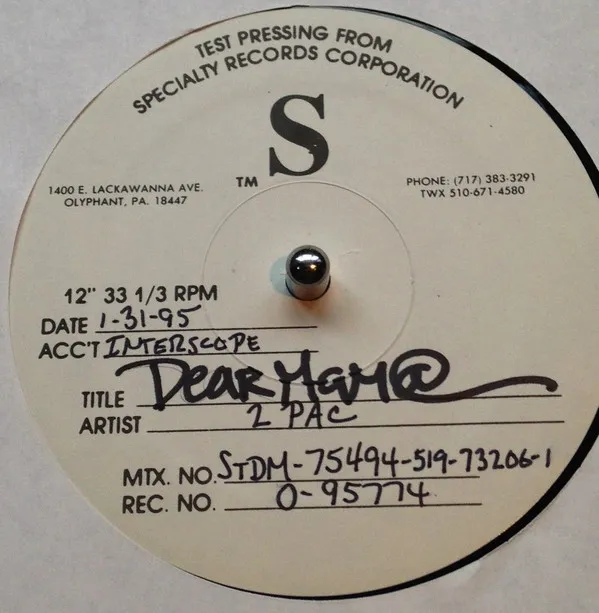
Photo: Interscope Records, Public domain, via Wikimedia Commons
There is a particular kind of silence in a label office when the test pressing arrives. Not the silence of an empty room, but the silence of five people trying not to breathe too loudly while a needle settles into a lead-in groove. Someone has a notebook. Someone else has a cup of tea going cold. The artist is on speakerphone, half a country away, waiting to hear whether the thing they made in a small studio actually survived the journey into black plastic.
At a small UK label, the test pressing is not a box-ticking exercise. It is the last human checkpoint before a record becomes a record. In 2026, when so much of the release process can be automated, it remains stubbornly analogue: a physical object, a turntable, a room full of people who care too much and know exactly what to listen for.
The room before the needle
The ritual usually starts with logistics. A courier bag, a cardboard sleeve, a white label with handwritten details. The test pressing is not the finished artwork, not the final packaging, not the thing that will end up in a shop in Peckham or a record bag in Salford. It is a preview with consequences. If it sounds wrong, the whole run sounds wrong. If it sounds right, the label can finally stop holding its breath.
Labels tend to invite the same small cast: the artist if they can make it, the producer sometimes, a trusted friend with good ears, and the person at the label who will have to make the call. In smaller operations, that might be one person doing all four jobs. The listening session is communal not because it is efficient, but because it is a way of sharing the anxiety. Everyone hears something different. Everyone has a stake in the outcome.
At Freya Records, the test pressing is treated as a conversation rather than a verdict. The record goes on, the room goes quiet, and then the notes begin. Not opinions about whether the song is good — that argument was settled long ago — but observations about whether the song has arrived intact.
What they are actually listening for
The first listen is never really about the music. It is about the surface. Is there a warp that makes the needle rise and fall like a small wave? Is there non-fill — those gritty, hissy patches that can appear when the pressing plant is pushing too hard? Does the record sit flat on the platter, or does it rock gently enough to make everyone in the room exchange a look?
Then comes the lead-in. A clean lead-in is a good sign. A noisy one is not necessarily a disaster, but it is a note. The label copy might be off-centre. The runout groove might have the wrong matrix number etched into it. These are the unglamorous details that separate a professional release from a stressful one. A test pressing is where you catch them before they multiply by 300.
After that, the ears shift to the mix. Not to second-guess the artist, but to check translation. Does the bass hold together on a cheaper deck? Is the vocal sitting where it should, or has the pressing pushed it forward in an unhelpful way? Is there sibilance on the hi-hats that was not there in the studio? Does the last track on side A sound thinner than the first, because the grooves are tighter and the cutting engineer had to make a call?
Good labels listen for consistency across the whole record. They are not looking for perfection. They are looking for the absence of surprises.
The fault that stops everything
Most test pressings are fine. That is the boring truth. But the ones that are not fine tend to fail in ways that are easy to miss on a first casual listen. A locked groove that should not be there. A skip that only appears on one turntable. A channel imbalance that makes the whole record lean to the left. A patch of distortion in the loudest chorus that sounds like a blown speaker but is actually a pressing fault.
This is where the communal listening session earns its keep. One person hears the skip. Another hears the distortion. Someone else notices that the label is slightly off-centre and the needle is drifting. The artist, listening on speakerphone, says the bass sounds different from the master. The label makes a note. Nobody panics, but nobody ignores it either.
The decision to reject a test pressing is not taken lightly. It costs time, money, and goodwill with the pressing plant. But a label that signs off on a faulty run is not being efficient. It is being careless. In the UK underground, where reputations are built on the small things, carelessness travels fast.
Sign-off is a relationship
The final sign-off is usually a quiet moment. The record has been played through twice. The notes have been compared. Someone has checked the matrix numbers against the approved cut. The artist has said they are happy, or as happy as artists ever are. The label says go.
That moment connects three parties: the artist, the label, and the pressing plant. It is easy to forget the plant in the romance of it all, but the test pressing is a collaboration whether anyone admits it or not. The plant has interpreted a lacquer, a master, a set of instructions. The label has interpreted the artist's intentions. The artist has interpreted a feeling into sound. The test pressing is where all those interpretations meet.
When it works, there is a small, shared relief. The record is not just a file anymore. It is a thing that can be dropped, scratched, played at the wrong speed, and loved anyway.
Why it still matters in 2026
In 2026, it is easier than ever to release music without ever holding a physical copy. That is not a bad thing. It means more artists can put music into the world. But it also means the test pressing has become a more deliberate act. If you are going to make vinyl, you should listen to it before the world does.
The ritual is not about nostalgia. It is about quality control with a human face. It is about the artist being in the room, even when they are on the phone. It is about a label being willing to say, this is not right yet. And it is about the small, unglamorous work of caring for a record before anyone else has the chance to.
Needle down. Fingers crossed. Then the real listening begins.