The Fiver That Holds the Whole Thing Up

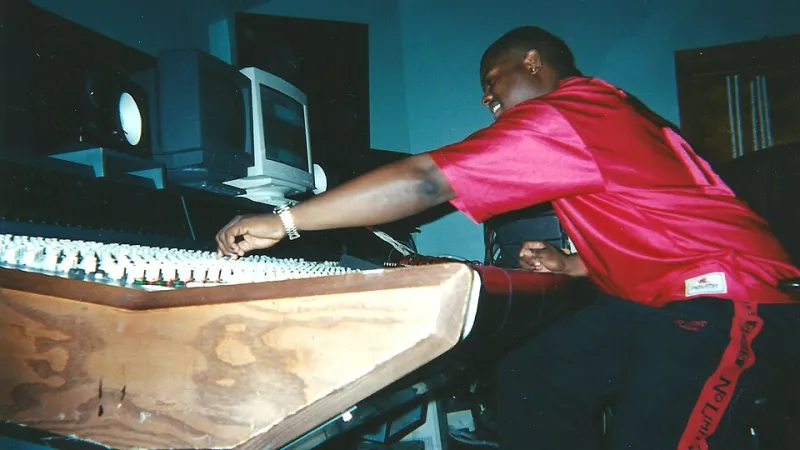
Photo: Bob Fish, CC BY-SA 4.0, via Wikimedia Commons
Five quid. A pint and a packet of crisps in most UK cities, if you are lucky. But as a monthly membership fee, it has become one of the quieter ways UK underground labels are keeping the lights on in 2026.
The model is simple enough. Fans pay a small amount each month — £3, £5, maybe £10 — and in return they get early access to releases, a monthly download, a discount in the label shop, or simply the warm feeling of knowing they helped pay for the next pressing. Some labels run it through Patreon or Steady; others use Bandcamp subscriptions, Substack, or a plain old Direct Debit and a spreadsheet. The platforms vary. The principle does not: lots of small contributions, regular and predictable, instead of one big bet on a playlist or a grant application.
Why the fiver matters
A 300-run 12-inch can still land well north of £1,500 before postage and VAT. A video costs what it costs. A release show needs a deposit. At £5 a month, 200 members is £1,000 a month gross. Take off platform fees, payment processing and the cost of fulfilling rewards, and you are not talking about a label empire. You are talking about a deposit on a pressing plant slot, a modest video, or a guarantee for a release show.
That predictability is the point. Grant cycles are not a business plan. Arts Council England and PRS Foundation do vital work, but the timelines are long, the paperwork is real, and the decision is not yours. Playlists are worse: you cannot invoice a mood.
What works
Specificity beats mystery. The clubs that work tend to say what the money is for: this pays for the next 300 records, this covers the master and the video, this keeps the shop open. They report back. They do not promise more than they can deliver.
Low admin is a feature, not a boring detail. If a label spends every weekend packing £5 rewards, the club is running the label, not the other way round. Digital-first rewards, one quarterly mailing and a clear cap on tiers help keep it sustainable.
Community beats charity. The best versions feel like a club, not a collection plate. A monthly note from the label, a first listen before the public, a vote on artwork — small things that make people feel involved without turning the artist into content.
Where it can go wrong
Churn is real. £5 is easy to cancel. If the updates dry up, so do the members. A club needs a rhythm: a monthly note, a quarterly release, a yearly thank-you.
Hidden costs bite. Postage, packaging, VAT, platform fees and the dreaded free sticker. A £5 tier that includes a posted zine every month can lose money at 150 members. Do the maths at 50 members, not 500.
Ambiguity around artist deals is the big one. Is the membership funding the label or the artist? Does the artist see a share? Is it recoupable? If a label signs an artist and then asks fans to fund the record, the artist should know exactly where that money sits in the ledger.
Pressure is the quiet risk. A club can turn fans into investors and artists into content. If the model needs a new exclusive every week, it will burn people out.
The artist checklist
Before you sign up to a label membership scheme, ask:
- What exactly does the money pay for? Pressing, mastering, video, wages, rent?
- Is the income recoupable against my royalties? If so, at what rate?
- Do I get a separate statement for membership income?
- Who owns the mailing list and the customer data?
- What happens if the club closes? Are rewards owed?
- Can I see a quarterly breakdown of income and costs?
- Are there exclusivity clauses? Can I sell the same record elsewhere?
- What is the exit clause, for me and for the label?
- Is the payment platform compliant, and who handles refunds?
- How much of my time is expected for updates, Q&As, exclusive posts?
None of this is a reason to avoid the model. It is a reason to ask better questions. A £5 club can be a genuinely good thing: a predictable base of support that lets a label plan a pressing without begging a playlist editor or waiting for a grant panel. It can also be a small, tidy trap if the numbers and the expectations are not clear.
At its best, the fiver club is not a charity scheme. It is a subscription to a scene — a way for fans to say, I want this to keep existing. That is worth paying for. Just make sure everyone knows what they are buying.