One Track, Full Stop: The Standalone Single as an Artist-Development Tool
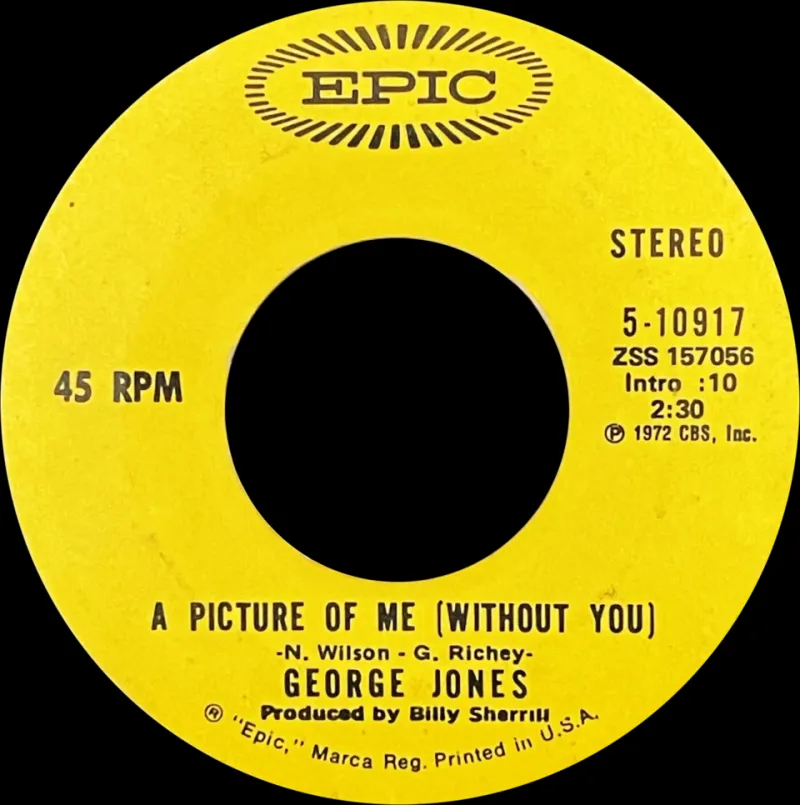
Photo: Epic Records, Public domain, via Wikimedia Commons
The standalone single has spent years being treated like a waiting room. You release one track, then you wait for the EP. The EP is the calling card, the album is the statement, and the single is the thing you put out because you're supposed to. In 2026, that hierarchy is starting to look backwards.
For UK indie labels, the one-track release is no longer a stopgap. It's a deliberate artist-development tool. It introduces a new signing without asking them to finance a whole EP. It gives fans something immediate to share. It lets a label test a production, a partnership, a live arrangement, without committing to a six-month campaign. And if the track lands, it creates momentum that an EP often kills by spreading attention across three songs.
The EP hangover
The EP wasn't always the problem. For a certain era of UK underground music, the EP was the perfect format: three or four tracks, a cheap CD, a cassette, a statement of intent. But the economics have changed. Studio time is more expensive. Vinyl is slower and pricier. Pressing plants are jammed. A new band can easily spend their whole budget making an EP that gets one playlist add and a couple of local reviews.
The result is a lot of releases that feel padded. Three good songs and one that exists because the format demanded it. A standalone single forces a different question: is this the one? Not the one for the next two years, just the one for right now. That's a healthier question for a new artist than 'can you make four tracks sound like a body of work?'
What one track can do that three can't
A standalone single is a focus. It gives a label one thing to pitch, one thing to post, one thing to send to radio, one thing for a fan to share without adding 'but track three is the good one.' It also gives an artist a clear live moment. A new act with one strong single can close their set with it, open with it, or play it twice if the room demands it. An EP gives them options; a single gives them a calling card.
There's a development argument too. A label can spend the same money on one track that it would spend on three, which means better studio time, a proper mix, maybe a session player or a string arrangement. That's not indulgence. It's giving a new signing a fair shot at sounding like themselves.
Streaming, radio, and the shareable object
Streaming rewards saves and shares more than it rewards volume. One track is easier to push through a playlist pitch, easier to clip for socials, easier to explain in a sentence. Radio has a similar logic. A specialist show can spin one track without needing to introduce a whole EP. BBC Introducing, community radio, and independent stations can all do something with a single that they can't always do with a four-track release.
Then there's the object. Not every single needs a physical release, but a limited run of lathe cuts or a cassette with one track a side can make the release feel like an event. It doesn't have to be a £30 vinyl LP. A £8 cassette with a hand-stamped sleeve can do more for a new band's identity than a poorly pressed EP.
Live is where the single proves itself
A standalone single lives or dies in the room. If the track is strong, it becomes the moment in the set where the crowd leans in. If it isn't, no amount of playlist placement will save it. That's why labels should be testing these songs live before they commit to a bigger release. Play it at three support slots. See if people move. See if the chorus lands without the recorded production. See if the band actually wants to play it every night.
A typical Freya rollout for a new signing might look like this: announce the track with a short clip from rehearsal, release it on a Friday, put out a live session the following week, pitch it to radio and playlists in parallel, and book a run of supports around it. If it connects, the next single follows in eight to ten weeks. If it doesn't, the label hasn't burned a year of an artist's career on a format.
The risks
The obvious risk is that one track disappears. A single can be a blip, a nice bit of content, a Friday release that nobody remembers by Monday. The way to avoid that is to treat it as a chapter, not a teaser. Give it a video, a live version, a remix, a radio session, a support tour. Give people a way to spend more time with it.
The other risk is overcommitment in the other direction. A label shouldn't rush a single out just to have something to post. One strong track is better than three rushed ones, but one rushed track is worse than waiting. The standalone single only works if it's good.
A better rhythm for 2026
The UK underground has always been good at making a lot out of a little. The standalone single fits that instinct. It's not a retreat from ambition; it's a way of being ambitious on a smaller, more sustainable scale. It lets labels introduce artists properly, lets fans share something immediate, and lets a song have a life before it gets buried under a campaign.
The EP will always have a place. But the one-track release is back on the table, and for a lot of UK indie labels in 2026, it's the smartest thing on it.