A Towel, a Socket and a Door That Shuts: The Backstage Rider That Actually Works
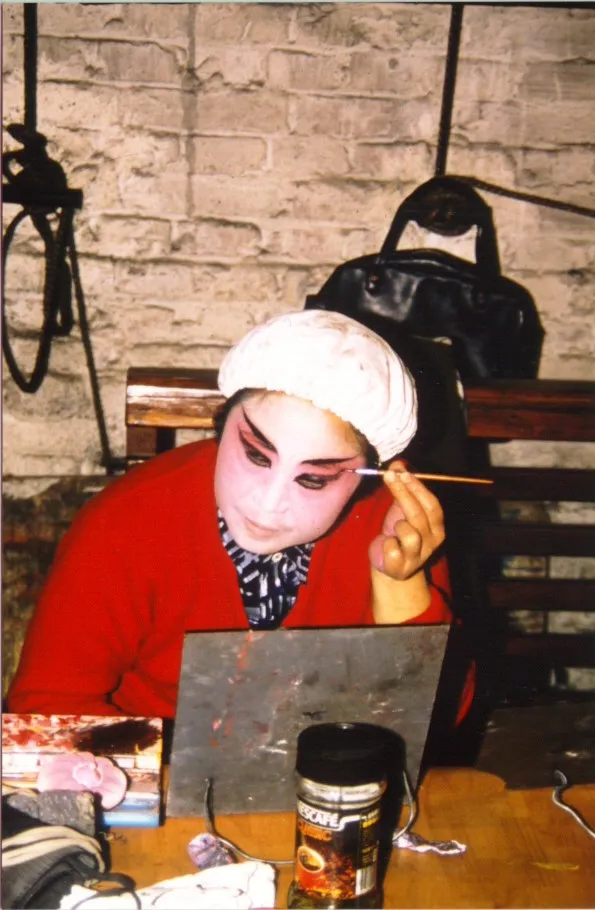
Photo: Jürgen Eissink, CC BY-SA 4.0, via Wikimedia Commons
The rider has a reputation problem. Say the word backstage and plenty of people still picture a laminated list of absurd demands, a promoter rolling their eyes, and a bowl of something colour-coded being rejected at the door. That version of the rider belongs to arena folklore. In the UK underground, the document that lands in a venue inbox is usually far less dramatic — and far more useful.
In 2026, the best riders are not flexes. They are operating manuals. They tell a room how the band travels, when they need to eat, where they can put a bag, how many sockets they need and what makes the difference between a show that feels looked-after and one that feels like a scramble. The trouble is that not enough people read them closely, and not enough bands write them honestly.
The myth and the clipboard
Rock-star rider stories survive because they are funny. The reality of a 150-cap room is a promoter doing three jobs at once, a sound engineer on a tight turnround, and a band who have been in a van since midday. Nobody needs a bowl of imported sweets. Somebody does need a towel, a bin, and five minutes without being asked where the merch float is.
The rider nobody reads is often the rider that tries to do too much. Long lists of nice-to-haves blur into one another. Promoters skim. Bands arrive to find half of it missing and assume the venue doesn't care. Venues assume the band is difficult. The document becomes a source of friction rather than a way of avoiding it.
What actually gets used
Ask around UK venues and the same items come up. Towels. Bottled water. Hot drinks. A power strip that isn't behind a locked cupboard. Somewhere secure to leave bags and instruments. A door that closes. Food that arrives at a sensible time, with a real vegetarian or vegan option rather than a afterthought. A contact number that works.
That is not glamorous, but it is the stuff that changes a day. A band who have eaten properly and can charge a phone are easier to be around. A room with a clean, quiet corner gives a vocalist somewhere to warm up without doing it in a corridor. A venue that says clearly where the loading bay is saves twenty minutes of circling the block.
Venue managers tend to remember the riders that are specific. Six towels is a request. Twelve towels, a fruit platter and a selection of mineral waters in a 120-cap room is a guessing game. The small, exact list is the one that gets action, because it can be ticked off.
The room is part of the show
There is a temptation to treat the dressing room as a bonus space. In fact, it is part of the working day. It is where a band changes, tunes, stretches, fixes a pedal, eats, cries a little, and gets their head straight before walking on. The quality of that room shapes the first ten minutes of the set more than most people admit.
That does not mean every venue needs a luxury suite. It means the basics should be thought about: seating that isn't a broken stack of chairs, lighting that isn't a single bulb, a surface that isn't sticky, a bin, coat hooks, and some indication of where not to put drinks. A door that shuts properly is worth more than a framed poster. A quiet corner is worth more than a fancy coffee machine nobody has the pods for.
Accessibility belongs in this conversation too. If the only route to the stage is a narrow staircase, say so early. If the dressing room is up two flights, say so. Bands can plan around a limitation. They cannot plan around a surprise.
Write it like a conversation
The strongest riders read as if a sensible person wrote them. They are split into sections: essentials, useful extras, and things that genuinely cannot work. They name the tour manager or band contact. They include arrival time, parking notes, load-in details, soundcheck expectations and curfew. They mention dietary needs without turning them into a moral test. They ask for what solves a problem, not what sounds impressive.
A good test is to imagine the promoter reading it at 11pm after a difficult show. Can they find the important bits in ten seconds? If not, cut. The rider is not a place for jokes, unless the joke is very short and very obvious. It is a working document, and working documents are best when they are calm.
The venue side of the bargain
Venues are not passive here. A promoter who reads the rider in advance, flags what cannot be done, and offers a workable alternative is doing the band a real favour. A simple email saying 'we can do towels, water and a hot meal, but there is no separate dressing room — there is a curtained area behind the merch desk' is far better than silence followed by apology.
Bands can return the favour by not treating the rider as a test of loyalty. If a room comes through, say thank you. If something was missed, mention it once, clearly, and move on. The underground runs on repeat business and goodwill. A rider should add to that, not eat it.
A modest checklist for 2026
The rider that works in UK underground rooms tends to include: a named contact; arrival and load-in times; parking or drop-off notes; power requirements; water and hot drinks; food timing and dietary needs; towels; secure storage; a quiet corner or private space; accessibility notes; and any genuine safety issue. Everything else is optional. That is not a compromise. It is the point.
The backstage rider is never going to be the most romantic part of a music career. But it is one of the first documents of respect between an artist and a room. Keep it honest, keep it short, and keep it readable. The towel, the socket and the door that shuts will do the rest.