Wheels Up: A Field Guide to the UK Underground Load-Out
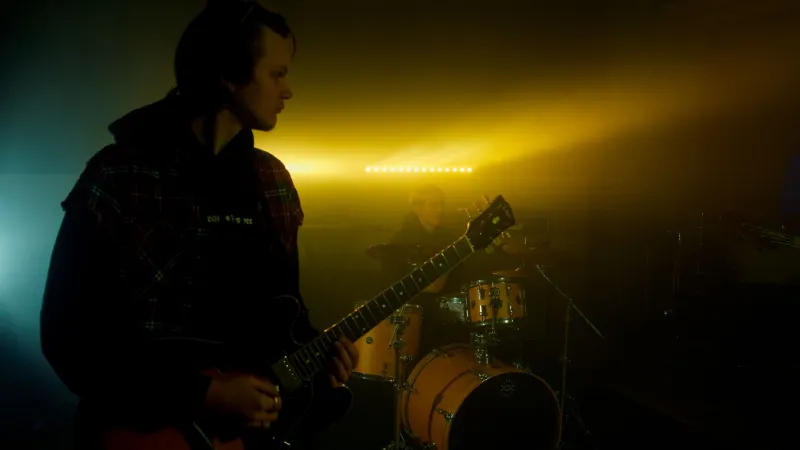
The house lights come up and the room changes shape. Half the crowd is already outside, half is at the merch desk, and someone near the door is asking if the van is theirs because it is blocking a bin lorry. The last note was the show. The next hour is the test.
The last ten minutes are a contract
There is no line in the deal that says the headline act helps the opener pack a bass cab. There is no invoice for the promoter who walks the load-out route at 6pm to check the bay is clear. And there is definitely no applause for the venue staff stacking chairs while a guitarist hunts for a lost capo. But this is where an artist-first scene either exists or it does not.
In 2026, the UK underground is full of rooms that run on goodwill. The door split is tight, the bar take is tighter, and the difference between a good night and a bad one is often a stranger holding a door open with their foot while you wheel a combo amp through it. Load-out is not glamorous. It is also not optional. Treat it like part of the gig and everyone gets home earlier.
The geography of a UK load-out
Every city has its own version of the same obstacle course. In Leeds it is the double yellows outside the venue that everyone swears are fine after 8pm. In Bristol it is the residents' parking zone that starts at the exact moment the encore ends. In Glasgow it is the venue on the corner where the only sensible place to park is a bus stop, and the only sensible thing to do is not park there. London adds the congestion charge, the low-emission zone, and a traffic warden who appears like a ghost at 10:47pm.
The practical reality is that most grassroots venues were not built for vans. They were built for deliveries, or for people arriving on foot, or for a time before every band carried a PA. So the load-out becomes a small negotiation with the street: a loading bay shared with a takeaway, a kerbside stack of cases guarded by one person while another moves the van, a promoter holding a torch over a puddle. The etiquette is simple: do not disappear. If you are not carrying, you are watching. If you are not watching, you are moving the van. Nobody should be standing by the merch table scrolling while someone else does a two-person lift alone.
A checklist for bands
- Learn the load-out route before doors. Ask the promoter where the bay is, what time it is free, and whether the venue has a back door or just a fire exit with a step. Take a photo of the backstage corridor. You will forget.
- Label every case with the band name and a mobile number. Gaffer tape and a marker are cheaper than replacing a power supply.
- Park legally, or at least knowingly. 'Five minutes' is a gamble. If you are on a double yellow, set a timer and move the van before the set ends, not after.
- Pack down in reverse order. Cables first, then stands, then amps once they have cooled. Keep a load-out kit: torch, gloves, cable ties, a spare roll of gaffer, and a bin bag for the rider you did not finish.
- Decide who does what before the last song. One person on merch, one on van, one on the door. The support act packs down first if they are leaving first. Do not load the headline gear over the opener's open bass case.
- Say thank you to the venue staff. They are the people who know where the trolley is, and they are the people who will remember you next time.
A checklist for promoters
- Send a load-out plan, not just a load-in time. Include the bay location, the closing time, the nearest night bus, and the name of the person who will be on the door at the end.
- Confirm the venue's position on parking tickets. Some rooms have an arrangement with the council; most do not. Tell the bands either way.
- Put someone on load-out duty for the last hour. It can be the promoter, a friend, or a paid steward. The point is that it is someone's job to watch the van, hold the door, and stop the headline act from blocking the support act's exit.
- Do not schedule a meet-and-greet at the load-out. The artist is not being rude by carrying a speaker past you. They are working.
- If the budget allows, put a small load-out fund in the deal: parking, a cab for the support act, or a round of teas for the staff. It is not a luxury. It is the cost of running a night that people want to come back to.
A checklist for labels
- If you are releasing a record, include load-out in the tour budget. It is not just fuel and accommodation. It is parking, van hire, and the hour that nobody bills for.
- Do not send a content person who films the set and leaves before the amps are in the van. If you are there, help. If you cannot help, ask what needs carrying.
- Artist-first means the artist is not the only person doing the lifting. A label rep with a spare pair of hands and a knowledge of the nearest loading bay is worth more than a goodie bag.
- Ask the band what went wrong at load-out. The answer will tell you more about the venue, the promoter, and the next tour than any post-show survey.
The unpaid hour is a scene document
The way a room empties says as much about a scene as the way it fills. A promoter who walks the load-out route before doors, a headliner who helps the opener carry a kick drum down a fire escape, a label that pays for the van rather than the afterparty: these are the small, unphotogenic decisions that make a night feel like it belongs to the people in it. The load-out is not the afterglow. It is the part where you find out whether the artist-first talk was real.
So next time the last chord rings out, do not just pick up your coat. Pick up a case. The sooner the van is loaded, the sooner everyone can stand in the cold and say the thing they actually came to say: that was a good one. Then go home.